The importance of safer gambling and player protection is defining the next stage of evolution for the UK gambling market.
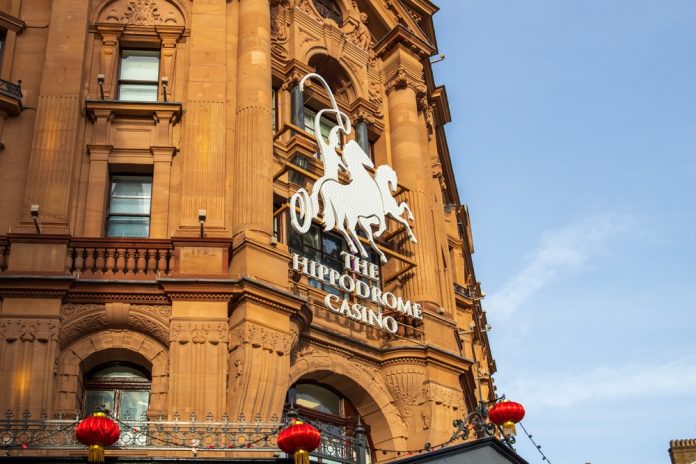
But safer gambling strategies have to be nuanced for land-based venues, as was highlighted by Sam Douglas, Director of Safer Gambling at The Hippodrome Casino, who revealed that ‘the greatest challenge is that affordability is that it is not something that can easily be observed’.
Douglas sat down with iGaming Expert ahead of him speaking on the ‘Strategies for achieving loyalty and safer gambling panel’ at the SBC Summit in Lisbon.
iGaming Expert: What can be done to shift the mindset around safer gambling as not a compliance cost but instead a general benefit to the whole company?
Sam Douglas: It comes down to recognising that safer gambling is simply the right thing to do. It is not something we do because a regulator requires it, but part of how we look after the people who choose to spend time with us. Approached from that perspective, it stops feeling like a cost sitting on top of the business and becomes part of good customer service.
There is a commercial argument too, players who use limits and prompts tend to be more loyal, but I would not want to lead with that, as it can come across as though we only care because it protects the bottom line. I would rather the emphasis remain on how our teams engage with people on the floor, treating a conversation about a limit or a break in play the same way we would treat any other interaction, with genuine care rather than suspicion.
What are some of the challenges when it comes to human intervention in terms of affordability?
The greatest challenge is that affordability is not something that can easily be observed. In a land-based environment particularly, someone may have won or lost a significant amount that same afternoon, which can completely change what looks like reasonable spend from one visit to the next. What appeared reasonable last month may not reflect where someone actually stands today.
Staff therefore have to read a great deal from behaviour and conversation rather than hard numbers, and making that judgement, recognising when a big win or a difficult night has skewed the picture, is genuinely difficult to get right consistently.
This is also why regulation in this area needs to be common sense. If we ask higher-stakes players for too much information too readily, we introduce a level of friction that does not necessarily make anyone safer, it simply makes the relationship harder to manage well.
What are the steps that you believe you can take to encourage players to set deposit limits?
I believe this comes down to communication. In a land-based, open-door casino such as ours, deposit limits operate differently from an online environment because customers are attending a physical venue rather than accessing an account remotely. That does not mean controls are absent; it means the emphasis has to be on clear conversations, proportionate monitoring, and helping players understand and use the tools available to them.
What we can do is communicate the benefits in a way that genuinely resonates, framing a limit as something that gives a player greater control rather than something imposed upon them. If our teams can convey that well, through an ordinary conversation rather than a formal one, that is what genuinely encourages people to set one.
Personal responsibility also has a particular significance in a land-based setting. A player walking through our doors is making an active, physical choice to be here, and part of our role is to support them in exercising good judgement about that choice, alongside the tools and safeguards we provide, rather than relying on those tools alone.
How much have you had to evolve your safer gambling strategies amidst the integration of the Paddy Power sportsbook into your venue?
That is broadly right, though for us it has really been a matter of integrating it into our existing framework rather than starting afresh. We are acutely aware that behaviour differs with sports betting compared with our other products, the patterns of play, the triggers, and the pace are simply not the same. It is therefore less about reinventing our approach and more about remaining alert to those differences as the sportsbook has become established.
What can be done to end any stigma around the safer gambling toolbox and encourage players to use it?
It is something we discuss frequently, and for me it keeps returning to communication. If tools such as reality checks or limits are only raised once someone has already encountered a problem, it is unsurprising that they feel stigmatised.
We need to present them as things any customer might use, not simply as a safety net for people we are concerned about. The more normal and low-key that conversation is, the less stigma becomes attached to it.
Language matters a great deal here too. We try to steer away from terms such as problem gambling and other negative language, focusing instead on safer gambling and player protection. Framed in that way, the tools become something that enhances the player experience rather than a guardrail placed around them. This is an area I want to continue developing, but communication is where it starts.
How nervous are you around the implementation of affordability checks and their impact on the higher stakes players in your casinos?
I would describe it as cautious rather than nervous. There is a genuine conversation across the industry at present about getting the level of friction right and reassuring higher-spending customers that these checks do not compromise their privacy or their standing with us. That is a fair concern, and one I do not think should be dismissed.
What reassures me is that we already have a framework in place for this. Our high value customer process requires both a thorough affordability check and a separate safer gambling evaluation before anyone is granted that status, with ongoing reviews built in afterwards rather than a one-off check. Given the significant volume of customer interactions and reviews we handle as a matter of course, this is not new territory for us, but rather an extension of the judgement our teams exercise every day.
My underlying view is that regulation in this space needs to be common sense and genuinely risk based. If we request too much information from higher-stakes players regardless of their actual risk profile, we introduce a level of friction that is disproportionate to the risk being managed, and that can undermine the relationship without necessarily improving protection. Getting that balance right, matching the level of scrutiny to the level of risk, matters as much as the checks themselves.
Can you give us more detail into some of the staff training that goes into ensuring player safety?
We take a genuinely wide variety of approaches, as no single method covers everything. This ranges from lived experience, hearing directly from people affected by gambling harm, through to structured management training for our senior teams, regular player review sessions in which we discuss real cases together, and attendance at industry conferences to keep our thinking current.
This year we have also produced a new interactive training video to make that training more engaging and delivered suicide prevention training with our senior leaders to strengthen how we handle higher-risk situations. Senior leaders engage with training in the same way as the wider team and also attend industry conferences to keep their understanding current.
Why are events so important when it comes to boosting player safety and what are you hoping to achieve in Lisbon?
A significant part of it is what I personally gain from them. Hearing from other experts in the industry, watching presentations, and being among people who care about the same issues genuinely renew my enthusiasm in a way that is difficult to replicate day-to-day. I am speaking at SBC Summit on 30 September, on a panel about getting player protection messaging right.
I always return from events such as this with renewed energy and several ideas to bring back into the business, whether drawn from other markets, other operators, or simply a different way of framing a problem I have been considering. That is really what I am hoping to gain from Lisbon.
For iGaming Expert.